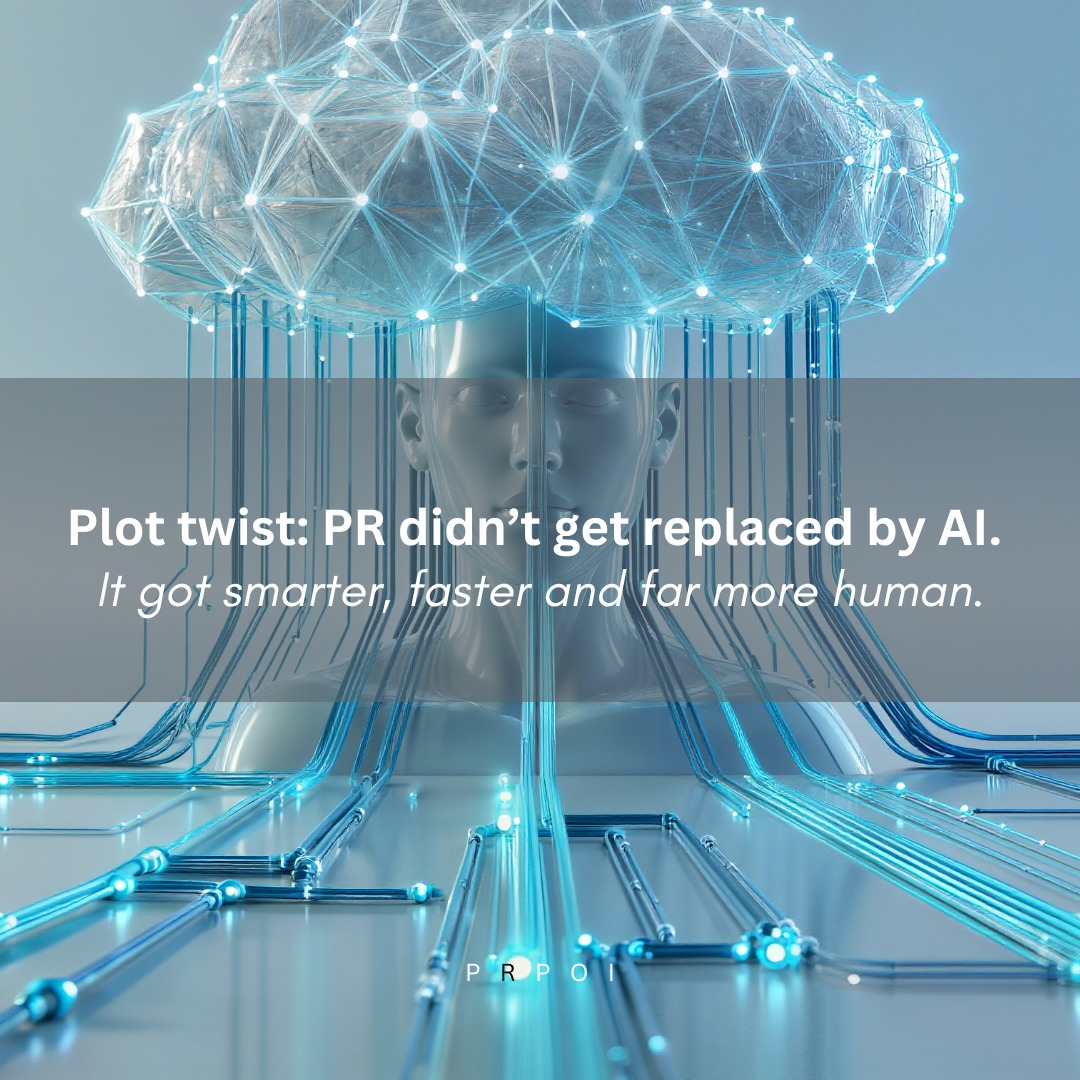
The Future of PR: Alive, Evolving, and More Human Than Ever
I almost wrote “PR is Dead!” but by the next morning I realised how wrong that was. After more than 25 years in this industry, I’ve watched public relations transform into one of the most dynamic and adaptive fields out there. From the days of explaining to clients what PR even meant, to now drafting content with AI tools like ChatGPT, the landscape has shifted dramatically. Yet one thing hasn’t changed: convincing clients they need authentic, newsworthy story angles.
PR is alive and evolving because people are evolving. The “Public” has fragmented into micro-communities, and “Relations” have been reshaped by social platforms and post-Covid behaviour. Stories still need to be told and there are just more ways and more urgency to tell them. Authenticity isn’t a nice-to-have anymore; it’s the key to survival.
Here’s how I see the next phase of PR:
1. Crisis Management: Speed or Shame
Every brand today is one viral tweet away from reputational damage. Having a risk management plan which includes people to call, scenarios mapped, values agreed is no longer optional.
In the travel sector, I’ve seen brands wait hours to address viral complaints on X, long enough for boycott hashtags to take hold. By contrast, a fintech firm apologised transparently within minutes.
Speed and clarity beat silence every time.
2. Ethics and Purpose: The New PR Currency
Clear values give you direction and credibility. Consumers are increasingly voting with their wallets: 83% prefer brands that share their beliefs. Volkswagen’s pivot to EVs after its emissions scandal was more than an engineering decision; it was a PR masterclass in authentic recovery.
As one agency leader put it, “Purpose without action is just PR theatre and audiences can smell the script.” Embedding ethics and purpose in everyday decisions will soon separate the trusted from the ignored.
3. Digital-First or Dead Last
Campaigns can’t just “include” digital anymore, they must start there. Messaging stays consistent across platforms but execution should be tailored to each. Digital PR now represents 45% of a $107-billion global market and is growing fast.
A mid-size agency in Singapore boosted engagement by 240% in six months after shifting 70% of a retail client’s campaigns to TikTok and YouTube Shorts. One hashtag challenge alone generated 18 million impressions in under 10 days. Digital-first works because it meets audiences where they already are.
4. Data and AI: The Agency Lifeline
AI isn’t coming for our jobs; it’s coming for our excuses. Today’s PR pros use AI for media monitoring, social listening, influencer mapping, crisis prediction, and campaign measurement. In just one year, adoption jumped from 28% to 75%, while 96% of comms teams rely on data to steer campaigns.
FMCG brands like Unilever have spoken publicly about using AI-powered sentiment analysis to refine messaging ahead of launches.
Used wisely, AI elevates decision-making and frees us to focus on creativity.
5. Micro and Nano Influencers: The Silent Giants
The era of celebrity influencers dominating every campaign is fading. Micro- and nano-influencers, with smaller but more engaged followings, deliver 60% higher engagement rates and $5.78 ROI per $1 spent.
Beauty brands such as Glossier have shown how shifting spend toward micro-influencers can drive disproportionate engagement and conversion.
6. The Human Touch
AI can write, track, and predict but it can’t replace creativity, judgement, or emotional intelligence. Agencies that treat technology as an enabler rather than a crutch will thrive. As someone once said, “AI can write your pitch, but it can’t charm a journalist over coffee.”
PR’s future isn’t about choosing between technology and humanity, it’s about blending the two. Speed, ethics, data, and micro-influencers matter, but at the heart of it all is trust and relationships.
———————————————————————-
Examples are drawn from a mix of publicly reported cases and industry experience.
Founder, Stellant Communications


You May Also Like

Rise of consumer activism – PR boon or bane

Beyond just Buzzwords: Real challenges awaiting corporate communications
